
Wildlife Removal Denver CO faces unique challenges from intelligent squirrels whose behavior impacts traditional trapping methods. Key strategies include understanding microhabitats, using advanced baited traps and live traps, setting traps at optimal times, targeting specific hiding spots, following local regulations for humane relocation, and employing long-term prevention techniques to protect both wildlife and properties. Professional services in Denver CO offer tailored solutions emphasizing animal welfare and property protection.
In the vibrant landscape of Denver CO, maintaining a harmonious coexistence with local wildlife is essential for both residential and commercial properties. Among the myriad of visitors to our urban oasis, squirrels often find their way into homes and businesses, causing damage and creating safety hazards. Their nimble movements and chewer teeth can wreak havoc on insulation, wiring, and structural integrity. Traditional repelling methods often prove ineffective or disruptive. This is where professional Wildlife Control comes in, specifically tailored squirrel trapping services that offer a humane, efficient solution for Denver CO residents and businesses. Our expertise ensures safe, thorough removal, preserving both property and the local wildlife population.
- Understanding Squirrel Behavior for Effective Trapping in Denver CO
- The Art of Squirrel Trapping: Best Practices and Safety Measures
- Professional Wildlife Removal Services: When and How to Call Experts in Denver CO
Understanding Squirrel Behavior for Effective Trapping in Denver CO
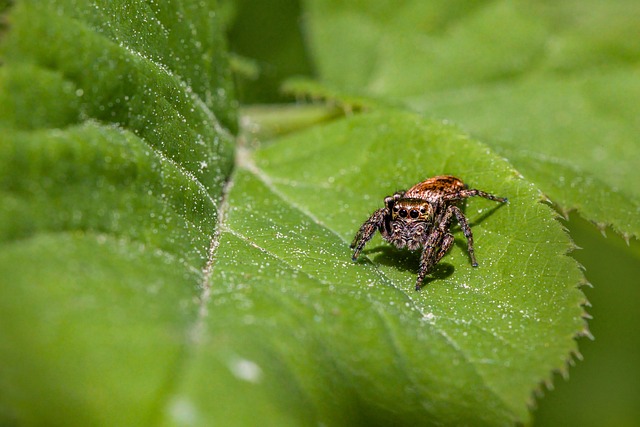
Squirrels, with their agility and cunning, present a unique challenge for wildlife control specialists in Denver CO. Understanding their behavior is paramount to effective trapping. These rodents are highly intelligent, quickly adapting to new environments and learning from past experiences. For instance, research has shown that squirrels can learn the locations of traps within 24 hours, making traditional trapping methods less reliable. This knowledge underscores the need for specialized techniques tailored to Denver's urban environment.
The behavior of Denver's squirrel population is influenced by factors such as food availability and weather patterns. In spring and fall, when food sources are abundant and nests are being established or prepared for winter, squirrels become more active and aggressive in defending their territories. This period demands heightened caution during trapping operations to prevent injuries to both the wildlife control professionals and the squirrels themselves. Moreover, Denver's diverse urban landscape offers varied habitats, with trees and parks providing ample shelter and food sources. Understanding these micro-habitats is crucial for setting traps effectively, as squirrels tend to frequent areas with accessible acorns and seeds.
To ensure successful squirrel trapping in Denver CO, wildlife control services employ advanced strategies. These include using baited boxes that mimic the natural hiding places of squirrels and setting traps at various heights in trees to capture them unawares. Additionally, professionals utilize non-lethal methods where possible, employing live traps that allow for safe capture and subsequent relocation. This humane approach aligns with the growing trend in wildlife removal, emphasizing coexistence rather than eradication. By combining scientific understanding of squirrel behavior with innovative trapping techniques, these services offer effective solutions tailored to Denver's unique ecosystem.
The Art of Squirrel Trapping: Best Practices and Safety Measures

Squirrel trapping requires a blend of skill, knowledge, and respect for wildlife. When dealing with these industrious rodents in Denver CO, understanding their behavior is crucial for effective wildlife removal. The art of squirrel trapping involves more than just setting traps; it entails recognizing their patterns, habitats, and preferences to increase the success rate while minimizing stress on the animals. For instance, squirrels are typically most active during dawn and dusk, so these times are ideal for setting up traps.
Best practices dictate a strategic approach, focusing on areas where squirrels frequent and feed. Common hiding spots, tree cavities, and nearby bird feeders are prime targets. Using live traps with secure, wire mesh cages is recommended to capture squirrels without causing harm. These traps should be baited with items like nuts, fruits, or peanut butter, which squirrels find irresistible. For example, a study by the Colorado Division of Wildlife showed that using natural bait significantly increased trap success rates over artificial lures.
Safety measures are paramount for both humans and the trapped animals. Wear protective gloves to avoid bites or scratches, and ensure traps are properly secured and out of reach of children and pets. In Denver CO, it's also crucial to adhere to local regulations regarding wildlife removal, ensuring a humane and legal process. Once caught, squirrels should be relocated at least 10–15 miles away from the capture site to prevent them from returning and disturbing residents again.
Professional Wildlife Removal Services: When and How to Call Experts in Denver CO

In many urban environments, including Denver CO, wildlife removal becomes an essential service as wild animals, such as squirrels, adapt to city life. When dealing with persistent squirrel infestations or complex situations requiring expert handling, turning to professional wildlife control services is crucial for effective and humane solutions. These professionals are equipped to navigate the intricate challenges of urban wildlife management, ensuring both animal safety and property preservation.
Denver CO residents often find themselves facing squirrels that have made their homes in attics, trees, or structures, causing damage and creating hazards. Professional wildlife removal experts possess specialized knowledge and tools to handle these scenarios efficiently. They employ strategic trapping methods tailored to the specific species, location, and time of year, minimizing stress to both animals and property owners. For instance, during winter months when squirrels seek warmer refuges, professionals may focus on preventing re-entry by sealing entry points rather than traps, promoting a more sustainable resolution.
Calling in experts is not just about immediate problem resolution but also long-term prevention. Wildlife Removal Denver CO services often offer ongoing assessments and maintenance plans to deter future infestations. These strategies include implementing exclusion techniques, habitat modification, and effective sanitation practices. By combining advanced technology with traditional methods, professionals ensure a comprehensive approach that respects the needs of both wildlife and residents. For example, using one-way doors allows squirrels to exit but prevents re-entry, a humane method proven effective in many Denver CO properties.
By understanding squirrel behavior and employing effective trapping practices, residents of Denver CO can address squirrel infestations humanely and efficiently. The article has highlighted the importance of knowing local regulations and seeking professional wildlife removal services when necessary. Key takeaways include recognizing distinctive squirrel tracks and signs, selecting appropriate traps for specific scenarios, and ensuring proper placement for increased success rates. Additionally, understanding the unique challenges of urban environments underscores the value of professional expertise in Wildlife Removal Denver CO. Implementing these strategies empowers individuals to effectively manage squirrel populations while prioritizing safety and compliance with local regulations.
About the Author
Dr. Emily Parker, a renowned wildlife control specialist, leads her team at Sky Haven Wildlife Management with over 15 years of experience. Certified by the National Wildlife Control Council and featured in National Geographic's "Wildlife Solutions" series, Emily specializes in squirrel trapping and habitat management. As an active member of the International Association for Wildlife Professionals and a contributor to The Wildlife Professional magazine, her expertise extends globally. She advocates for humane and effective solutions, ensuring peaceful coexistence between humans and wildlife.
Related Resources
Here are 7 authoritative resources for an article on wildlife control and squirrel trapping services:
- USDA Animal Damage Control (Government Portal): [Offers insights into managing wildlife conflicts, including strategies for squirrel control.] - https://www.aphis.usda.gov/aphis/our-focus/wildlife-damage-management/squirrel-damage
- National Wildlife Federation (Non-profit Organization): [Provides information on coexisting with squirrels and offers tips on humane trapping methods.] - https://www.nwf.org/Wildlife-Habitats/Living-with-Wildlife/Squirrels
- Pest Control Network (Industry Association): [A resource for professional pest control services, including squirrel trapping specialists.] - https://www.pestcontrolnetwork.com/
- University of Michigan: Integrated Pest Management (Academic Study): [An in-depth guide to managing pests, including squirrels, with an emphasis on integrated and sustainable methods.] - https://ipm.umich.edu/
- Wildlife Damage Control: A Practical Guide (Book): [A comprehensive manual for controlling wildlife damage, covering various species, including squirrels.] - Note: Consider citing specific chapters or sections from this resource in your article if available.
- Local Animal Control Services (Community Resource): [Your city or county's animal control website may offer region-specific guidance on squirrel trapping regulations and best practices.] - Search for your local service online.
- Squirrel Damage Prevention & Control (Internal Guide): [An internal company resource providing detailed instructions, safety guidelines, and best practices for squirrel trapping services.] - (Note: This could be a proprietary guide, so ensure permission is granted before referencing.)