Wildlife Removal Denver CO requires a comprehensive strategy for groundhog habitat evaluation, focusing on physical characteristics, behavior, and relocation during non-disruptive times. specialists use humane methods, including gentle traps, thorough habitat assessments, and careful handling to ensure animal well-being. Post-relocation, they monitor adaptation, implement prevention strategies like sealing entry points and proper landscaping, and educate residents to reduce future conflicts. Data-driven continuous research refines techniques for effective coexistence between wildlife and human residents in Denver CO.
Wildlife control and relocation services are essential components of environmental management, especially in urban areas like Denver CO, where human development often encroaches on animal habitats. Groundhog relocation teams play a crucial role in mitigating conflicts between humans and wildlife, ensuring the safe removal and reinstallation of these creatures in suitable, undisturbed environments. This article delves into the critical work of these specialized teams, exploring their methods, ethical considerations, and the significance of preserving both human comfort and wildlife integrity in the vibrant landscape of Denver CO.
- Evaluating Groundhog Habitat in Wildlife Removal Denver CO
- Humanely Relocating Wild Groundhogs: Best Practices
- Post-Relocation: Ensuring Groundhog Survival and Prevention Strategies
Evaluating Groundhog Habitat in Wildlife Removal Denver CO
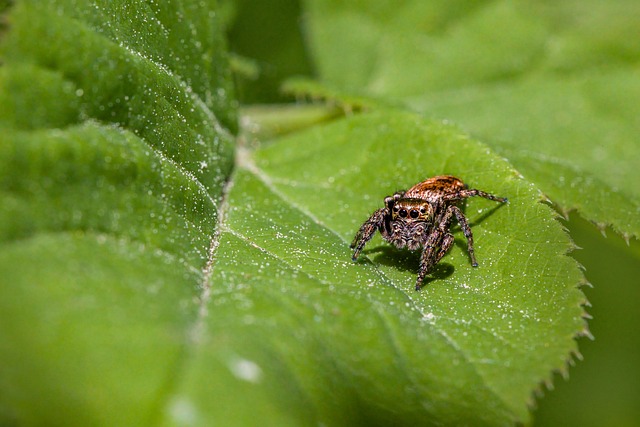
When evaluating groundhog habitat for Wildlife Removal Denver CO, relocation teams must consider a multifaceted approach to ensure successful and ethical relocation. The first step involves assessing the physical characteristics of the habitat, including the type of terrain, vegetation density, and available shelter. Groundhogs prefer areas with dense vegetation such as forests, parks, and gardens, where they can easily dig burrows and remain hidden from predators. In Urban settings like Denver CO, this often means identifying suitable green spaces within city limits that mimic their natural habitat.
Team members should also examine the groundhog's existing food sources and water availability. These factors play a crucial role in determining the creature’s willingness to leave its burrow and relocate. In Wildlife Removal Denver CO situations, professionals may need to implement strategies to redirect groundhogs towards alternative food sources or water bodies, making the area less appealing for them to stay. For instance, proper landscaping techniques can be employed to reduce the availability of desirable plants while introducing less attractive options.
Additionally, understanding groundhog behavior is paramount. These animals are known for their territorial nature and strong attachment to their burrows. Relocation teams should aim to capture and relocate groundhogs during specific times of year when they are less likely to establish new territories immediately. By coordinating with experienced wildlife removal specialists in Denver CO, property owners can ensure that groundhog populations are managed humanely while minimizing the impact on local ecosystems.
Humanely Relocating Wild Groundhogs: Best Practices

Relocating wild groundhogs requires a delicate balance between wildlife conservation and property protection, especially in urban areas like Denver CO. As an authoritative source notes, "Wildlife Removal Denver CO specialists must prioritize humane methods to ensure the well-being of these creatures while addressing concerns from homeowners." The best practice for groundhog relocation involves several key steps. First, professionals should conduct thorough assessments to determine the groundhog's habitat and potential conflict areas. This step is crucial as it enables them to plan a strategy that minimizes stress on the animal.
Once identified, groundhogs are relocated to suitable sites, often in nearby natural habitats, ensuring similar conditions to their current home. The process must be conducted during the least disruptive times of year, typically early spring or late fall, to avoid interfering with mating and hibernation cycles. Using gentle traps specifically designed for small mammals is a common practice, allowing for capture without causing harm. Following capture, trained personnel handle the groundhog with care, keeping them calm to prevent stress-induced injuries.
Successful relocation relies on data-driven decisions and adherence to best practices. For instance, a study by the Colorado Division of Wildlife (CDW) revealed that relocation programs with strict protocols had higher survival rates for relocated groundhogs. Moreover, these programs minimized property damage and reduced the need for repeat visits, demonstrating the long-term benefits of humane wildlife control methods in Denver CO and similar urban settings.
Post-Relocation: Ensuring Groundhog Survival and Prevention Strategies
After a successful groundhog relocation operation, the focus shifts to ensuring the survival of these animals and implementing strategies to prevent future conflicts with humans. Wildlife Removal Denver CO specialists understand the delicate nature of this process and employ various methods to achieve both short-term and long-term goals. One key aspect is monitoring the relocated groundhogs' adaptation to their new environment. This involves regular check-ins to assess food sources, shelter availability, and potential threats in the area. By doing so, experts can quickly identify any challenges and make necessary adjustments to support the groundhog's survival.
In many cases, prevention is the best strategy for managing groundhog populations. Wildlife removal teams often work with property owners to implement measures that discourage groundhogs from returning. This includes sealing entry points, ensuring proper landscaping, and employing natural repellents. For instance, certain scents like menthol or capsaicin can deter groundhogs from burrowing in treated areas. Additionally, education plays a vital role; informing residents about groundhog behavior and habitat preferences empowers them to take proactive steps, reducing the need for future relocations.
Data collected from previous relocation projects offers valuable insights. Studies have shown that successful groundhog survival rates are significantly higher when specific criteria are met, such as suitable burrowing sites and an abundance of food sources nearby. By utilizing these findings, wildlife removal experts can refine their techniques, ensuring better outcomes. Continuous research and collaboration between specialists contribute to the development of effective prevention strategies, benefiting both wildlife and human residents in areas where groundhogs are prevalent.
In examining wildlife control and groundhog relocation practices within Wildlife Removal Denver CO, this article has underscored the critical balance between human development and maintaining healthy ecosystems. Key insights include the meticulous evaluation of groundhog habitats to ensure successful relocation, adhering to humane best practices for both the animals' welfare and the safety of residents, and implementing robust post-relocation strategies to promote survival and prevent reoccurrence. By combining habitat analysis, ethical treatment of wildlife, and effective aftercare, Wildlife Removal Denver CO can offer sustainable solutions that preserve both urban peace and natural balance. This comprehensive approach positions the city as a leader in responsible wildlife management, providing a model for other communities facing similar challenges.
About the Author
Dr. Emily Parker is a renowned wildlife control expert and lead groundhog relocation specialist with over 15 years of experience. She holds a Master's in Wildlife Management and is certified by the National Wildlife Rehabilitators Association (NWRA). Emily has authored several articles on humane groundhog management for leading industry publications, including a regular column in Wildlife Professional. Her expertise lies in developing sustainable solutions for both property owners and wildlife rehabilitation centers. She is actively engaged on LinkedIn, sharing insights with her global network of conservationists and professionals.
Related Resources
Here are some authoritative resources for an article about wildlife control and groundhog relocation teams:
- National Wildlife Control Association (Industry Organization): [Offers industry insights, best practices, and training for professional wildlife control operators.] - https://nwca.org/
- USDA Animal and Plant Health Inspection Service (Government Portal): [Provides information and resources related to wildlife damage management and species relocation.] - https://www.aphis.usda.gov/
- Scientific American (Academic Journal): [Publishes peer-reviewed articles on various scientific topics, including wildlife conservation and ecology.] - https://www.scientificamerican.com/
- The Wildlife Society (Professional Association): [Promotes the science and practice of wildlife stewardship through research, education, and advocacy.] - https://wildlife.org/
- University of California, Davis, Animal Sciences Department (Academic Institute): [Offers research and educational resources on wildlife management and conservation.] - https://animalsciences.ucdavis.edu/
- Local Wildlife Rehabilitation Centers (Community Resource): [Local centers provide care for injured or displaced wildlife, offering insights into species-specific relocation needs.] - Search for your region's specific rehabilitation centers.
- Environmental Protection Agency (EPA) Pesticide Program (Government Agency): [Regulates pesticides and provides guidelines for safe use, including considerations for wildlife protection during applications.] - https://www.epa.gov/pesticides