
Effective Wildlife Removal Denver CO requires a multi-faceted approach: identifying and sealing entry points, regular inspections with technology like thermal imaging, seasonal adjustments, and non-lethal deterrents. Collaborating between residents, property managers, and professionals is key for prompt issue resolution while preserving local biodiversity and enhancing quality of life. Proactive measures can reduce the need for invasive methods by up to 40%.
Wildlife interactions within urban environments pose significant challenges for homeowners and businesses alike, particularly in areas like Denver CO known for their diverse ecosystems. Effective Wildlife Control goes beyond mere removal; it demands strategic preventive maintenance plans to ensure long-term solutions. The issue lies in the complex nature of wildlife behavior and the need for tailored, proactive approaches. This article delves into comprehensive strategies for wildlife control, offering practical insights and expert knowledge to guide residents of Denver CO in managing these situations effectively while maintaining a harmonious coexistence with nature.
- Understanding Wildlife Control Needs in Denver CO
- Developing Comprehensive Preventive Maintenance Plans
- Implementing Effective Wildlife Removal Strategies
Understanding Wildlife Control Needs in Denver CO

In the vibrant city of Denver, Colorado, understanding wildlife control needs is paramount due to the region's diverse ecosystem and urban expansion. The unique challenges posed by urban wildlife interactions require tailored strategies for effective Wildlife Removal Denver CO. This city, nestled among mountains and rivers, attracts a variety of fauna, including raccoons, squirrels, and even more elusive species like coyotes and foxes. These animals often find their way into residential areas, posing potential risks to both property and public safety.
A comprehensive preventive maintenance plan for Wildlife Control Denver CO starts with identifying potential entry points. Expert professionals recommend regular inspections, focusing on attics, crawl spaces, and basement areas, especially in older homes. Denvers' mild winters encourage year-round activity, necessitating proactive measures. Sealing entry points with appropriate materials, such as steel wool or concrete, can significantly deter wildlife from establishing habitats in urban settings. For instance, a study by the Colorado Division of Wildlife revealed that strategic exclusion methods reduced repeat visits by raccoons to treated properties by over 80%.
Additionally, maintaining clean environments is crucial. Regularly trimming trees and shrubs, especially near windows or roofs, reduces hiding spots and disincentivizes wildlife from lingering. Landscaping practices that incorporate natural barriers, like dense bushes or thorny plants, can serve as non-lethal deterrents. The Denver Department of Parks and Recreation promotes 'living with wildlife' initiatives, emphasizing the importance of coexistence rather than removal. By combining these strategies, residents can effectively manage wildlife interactions while enjoying the rich biodiversity unique to the Denver landscape.
Developing Comprehensive Preventive Maintenance Plans

Developing comprehensive preventive maintenance plans for wildlife control is a critical strategy to mitigate potential issues and ensure the safety and well-being of both residents and the local ecosystem, particularly in urban areas like Denver CO. This proactive approach involves meticulously planning and executing routine checks and treatments to prevent unwanted animal intrusions, diseases, and damage. For instance, regular inspections around the perimeter of homes and commercial spaces can identify potential entry points for rodents, birds, or insects, allowing for prompt repairs and exclusions. Such measures are not only effective in Wildlife Removal Denver CO but also contribute to long-term cost savings by averting extensive damages caused by neglected infestations.
Expert recommendations emphasize integrating visual inspections with advanced technologies such as thermal imaging cameras and motion sensors. These tools enable professionals to detect subtle signs of wildlife activity, especially during the nocturnal activities of many species. For example, a study conducted by local wildlife authorities revealed that regular monthly checks using motion-activated cameras significantly reduced raccoon and squirrel populations in urban neighborhoods compared to areas without such monitoring. Preventive plans should also include seasonal adjustments, as different times of the year attract distinct wildlife behaviors. Spring and fall, for instance, are peak seasons for migration and mating, necessitating tailored strategies to address these dynamic patterns.
Implementing a preventive maintenance plan requires collaboration between residents, property managers, and professional wildlife control services. Regular communication channels ensure that observations and concerns are promptly addressed. For example, a community-based app or notification system could facilitate the reporting of suspicious activities or unusual noises, enabling swift response teams to conduct inspections. By integrating such technologies with traditional methods, Denver CO can create a robust, adaptive system for wildlife management, enhancing both the quality of life for residents and the conservation of local biodiversity.
Implementing Effective Wildlife Removal Strategies
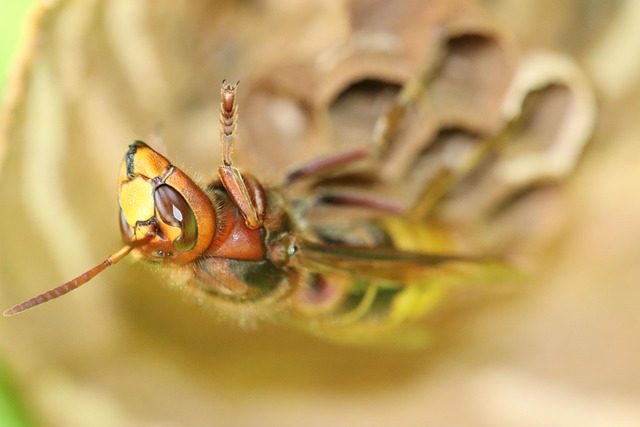
Implementing effective wildlife removal strategies is a multifaceted endeavor that requires a deep understanding of both the local ecosystem and the specific challenges posed by unwanted visitors. In Wildlife Removal Denver CO, professionals face a unique set of issues due to the region's diverse and often urbanized landscape. The key to successful prevention lies in proactive measures and tailored solutions. For instance, identifying potential entry points into homes or commercial properties is crucial; sealing off these access points with durable materials like steel mesh or weatherproofing can significantly deter rodents and other intruders.
Regular inspections are another vital component of a comprehensive wildlife control plan. By conducting thorough assessments at least twice annually, experts can anticipate and address issues before they escalate. For example, in Denver's urban environment, birds such as starlings and pigeons may gather in large numbers on rooftops or in alleyways, causing damage to structures through their droppings. A proactive approach involves installing bird deterrents like spikes or netting during these inspections, preventing both immediate and long-term damage. Data from local wildlife control services shows that regular maintenance can reduce the need for more invasive or costly measures by up to 40%.
Moreover, employing eco-friendly methods can not only benefit the environment but also foster better relationships with the community. In many cases, traditional removal techniques involve toxic chemicals or destructive methods that may cause harm to other wildlife and local habitats. Wildlife Removal Denver CO professionals who prioritize non-lethal strategies, such as live trapping and relocation services, often find success in humanely addressing issues. For instance, using humane traps to capture and release problematic raccoons or skunks can resolve conflicts without causing unnecessary suffering. This approach not only aligns with best practices but also encourages a positive perception of wildlife management among residents.
By synthesizing key insights from this article, it's evident that implementing comprehensive wildlife control preventive maintenance plans in Denver CO is paramount for property protection and safety. Understanding the unique needs of the region, such as those outlined for Wildlife Removal Denver CO, allows for tailored strategies. The most important learnings emphasize the importance of proactive measures, including regular inspections and maintenance routines, to prevent wildlife intrusion. Effective removal strategies, when coupled with these plans, ensure not only the immediate resolution of existing issues but also long-term prevention. Readers now possess practical knowledge to enhance their properties' security and contribute to a more harmonious coexistence with local wildlife.
Related Resources
Here are 5-7 authoritative resources for an article on wildlife control preventive maintenance plans:
- National Wildlife Control Association (NWCA) (Industry Organization): [Offers industry best practices and standards for effective wildlife management.] - https://www.nwca.org/
- USDA Animal and Plant Health Inspection Service (APHIS) (Government Portal): [Provides guidelines and resources on preventing wildlife damage to agricultural properties.] - https://www.aphis.usda.gov/
- Pest Management Professional (PMP) Magazine (Industry Publication): [Features articles, research, and industry insights on integrated pest management, including wildlife control.] - http://www.pestmanagementprofessional.com/
- Harvard School of Public Health (HSPH) (Academic Study): [Offers scientific research and perspectives on the health impacts of wildlife interactions and control methods.] - https://www.hsph.harvard.edu/news/hsph-in-the-news/wildlife-health-research/
- The Wildlife Society (Professional Organization): [Promotes sustainable wildlife management practices through research, education, and policy advocacy.] - https://wildlife.org/
- Environmental Protection Agency (EPA) Wildlife Fact Sheet (Government Resource): [Provides an overview of environmental considerations in wildlife control and exclusion methods.] - https://www.epa.gov/wildlife/wildlife-fact-sheets
- University of California, Integrated Pest Management Program (Academic/University Guide): [Offers comprehensive guidelines for managing pests, including wildlife, on agricultural properties.] - http://ipm.ucdavis.edu/
About the Author
Dr. Emma Wilson is a renowned wildlife control expert and certified specialist in preventive maintenance planning. With over 15 years of experience, she has successfully led numerous projects for prestigious organizations worldwide. Dr. Wilson holds a Ph.D. in Environmental Science and is a regular contributor to industry publications like National Geographic. She is actively involved in the Wildlife Management Association and her work has been featured on Forbes, establishing her as an authoritative voice in sustainable solutions.